Champions League
Why Two-Legged Ties Still Need A Tie-Breaker
Home and away knockout ties equalise venue advantage but can finish level on aggregate, and each method of resolving that has consequences for how the second leg is played.
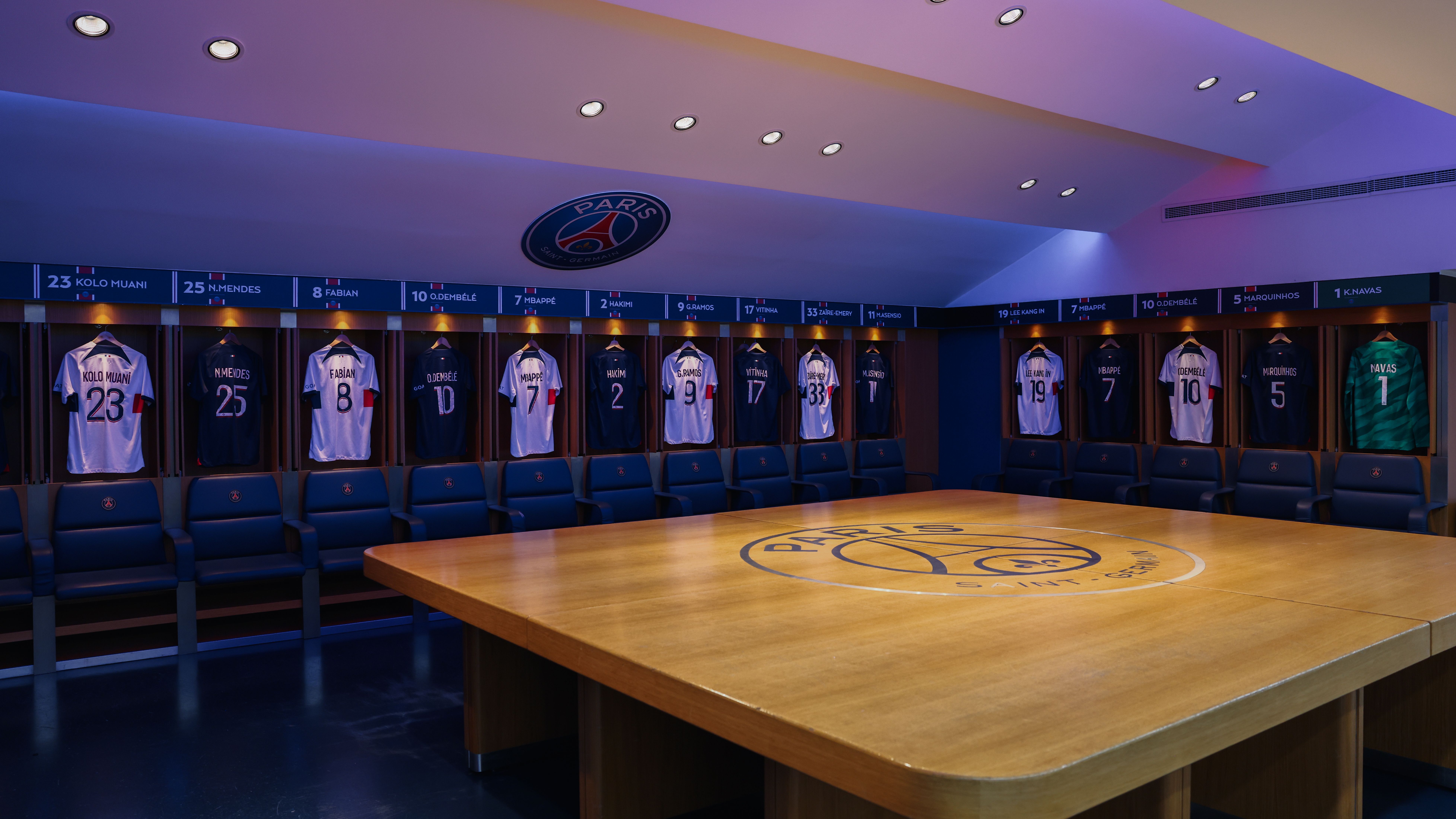
A two-legged tie exists to remove the advantage of a single venue. The symmetry it creates also guarantees that some ties will finish exactly level.
The format's purpose is venue symmetry
Playing once at each ground means neither club benefits from crowd, pitch or travel across the tie as a whole. Aggregate score then becomes a defensible measure of which club performed better.
A single match at a neutral venue achieves similar fairness but removes home advantage entirely, along with the revenue and atmosphere that home fixtures generate. Two legs preserve both while cancelling the bias.
The cost is calendar space, since every tie consumes two dates plus travel. This is why the earliest and latest rounds of a competition are often structured differently from the middle.
Away goals were a tie-breaker with side effects
Counting goals scored away from home more heavily was introduced to encourage visiting teams to attack, at a time when travel and pitch differences made away performance genuinely harder.
Over time the rule inverted the incentive it was designed to create. A home team in the first leg had reason to prioritise not conceding over scoring, which produced cautious opening legs.
It also created an asymmetry in extra time, where the away side in the second leg had an extra half-hour in which its goals carried additional weight. That was widely regarded as indefensible.
Extra time and penalties restore symmetry
Removing away goals means a level aggregate goes to an additional thirty minutes and then, if needed, to a shoot-out. Both clubs face identical conditions for that period.
The trade-off is that extra time is played at one club's ground, which reintroduces a version of the advantage the format was meant to remove. Symmetry over the tie is preserved; symmetry in the decisive period is not.
Shoot-outs are frequently criticised as arbitrary, but they have the property tournament organisers value most in a knockout: they always produce a result on the night.
The order of legs matters more than it appears
Playing the second leg at home is generally regarded as an advantage, because the deciding period happens in front of a home crowd and the club knows exactly what result it requires.
Competitions therefore allocate the second leg by seeding, making league-phase position directly valuable. Where clubs are seeded equally, the order is drawn.
Single-leg knockouts change the calculation entirely
Later rounds are sometimes reduced to one match to fit the calendar or to stage a showpiece. That removes the tie-breaker problem but increases variance substantially.
Competitions accept the extra randomness at the final because a single occasion is worth more commercially and culturally than a fairer two-legged decider would be.
Also by José Mourinho
- Why rotation rates is the Defining Metric in Modern Competition (Insights)Bundesliga
- Why compact defensive blocks is the Defining Metric in Modern Competition (Insights)Bundesliga
- Why overlap runs is the Defining Metric in Modern Competition (Insights)Bundesliga
- Why limb telemetry is the Defining Metric in Modern Competition (Insights)Bundesliga


