Premier League
Why The Festive Fixture Block Resists Reform
Compressed holiday scheduling survives because gate revenue, broadcast demand and the fixed length of the season leave organisers with no unused weeks to move matches into.
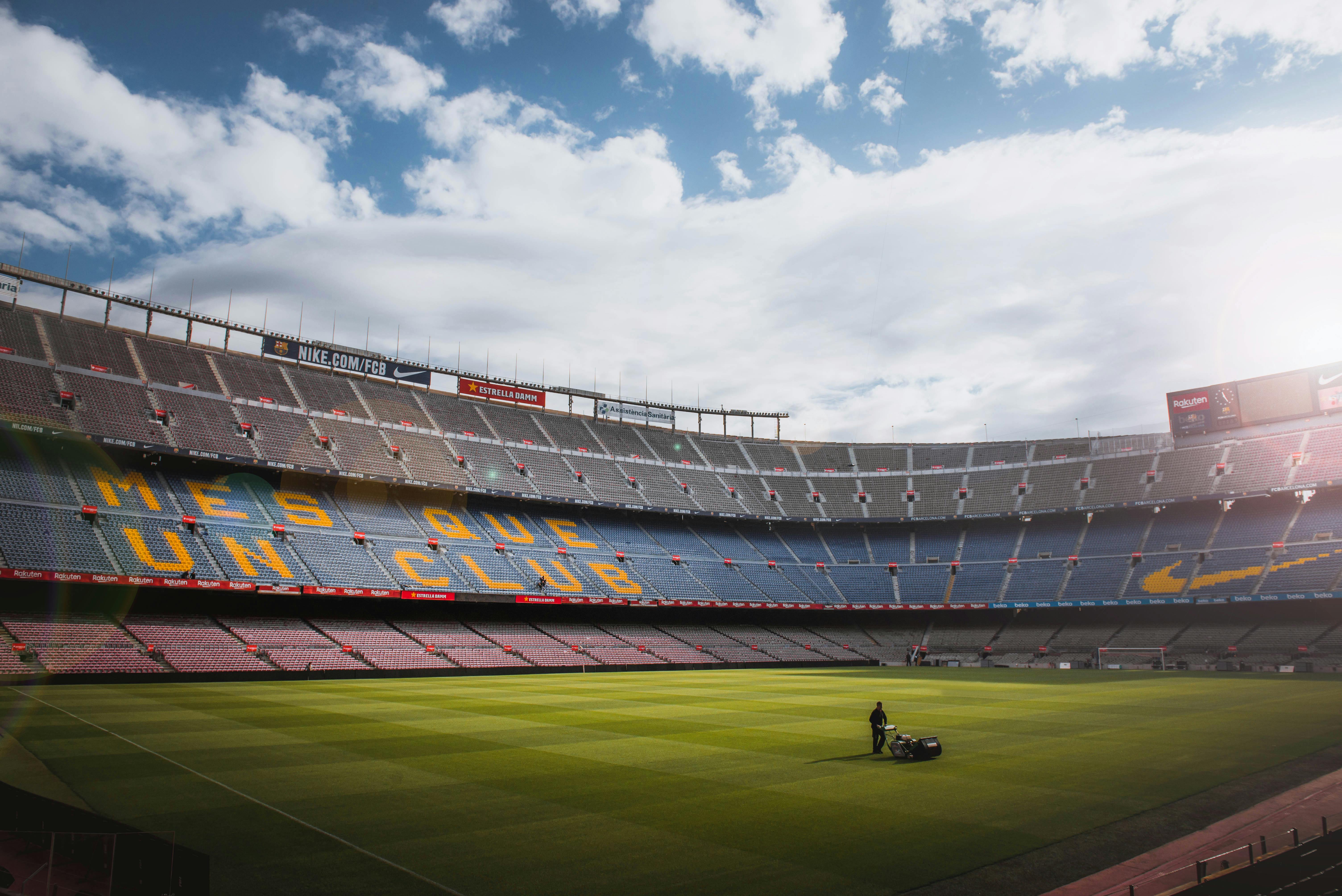
English football plays an unusually dense set of fixtures over the holiday period. The arrangement is criticised every year and changes very little.
The season has no spare weeks to absorb the matches
Thirty-eight league rounds plus cup and continental commitments already fill the available weekends between August and May. Removing a holiday round means finding another date for it.
The obvious alternatives are midweeks that are already allocated to European fixtures or cup rounds. Moving a match creates congestion elsewhere rather than removing it.
Extending the season into June collides with international tournaments and with the following pre-season. The container is effectively fixed at both ends.
Attendance and audience peak precisely then
The holiday period combines time off work with limited competing entertainment, so both stadium attendance and television audiences run above the seasonal norm. Every fixture is worth more than an ordinary one.
Clubs derive matchday revenue directly from these fixtures, and smaller clubs depend on them disproportionately. Reducing the block has an uneven financial effect down the pyramid.
Broadcast contracts are also written around the guaranteed availability of this window. It is a scheduled asset rather than an accident.
Travel constraints shape the pairings
Public transport runs reduced services on certain dates, so fixtures on those days are paired to minimise supporter travel distance. Long journeys are pushed to dates with normal services.
This is why holiday fixtures often look geographically clustered. The list is built around transport availability before it is built around competitive balance.
The constraint also limits how freely matches can be rescheduled for broadcast, since a moved kick-off can strand travelling supporters entirely.
A winter break trades one compression for another
Introducing a mid-season pause requires the same number of matches to be played in fewer weeks, so the fixtures either side become denser. The rest is real but it is borrowed.
Staggered breaks, where different clubs rest in different weeks, reduce the compression but mean the league is not playing a full round for several weekends. That weakens the round structure.
Recovery time is the actual variable
The competitive complaint is not the number of matches but the gap between them, because clubs given a shorter turnaround than an opponent face a measurable disadvantage.
Schedulers can equalise turnarounds far more easily than they can remove fixtures, and that is where most practical reform has happened. The block persists; the intervals within it have been smoothed.
Also by José Mourinho
- Why rotation rates is the Defining Metric in Modern Competition (Insights)Bundesliga
- Why compact defensive blocks is the Defining Metric in Modern Competition (Insights)Bundesliga
- Why overlap runs is the Defining Metric in Modern Competition (Insights)Bundesliga
- Why limb telemetry is the Defining Metric in Modern Competition (Insights)Bundesliga


