ICC
Why Reserve Days Exist Only At Certain Stages
Tournaments allocate reserve days to knockout matches but rarely to group fixtures, because the cost of an unresolved match rises sharply once elimination is at stake.
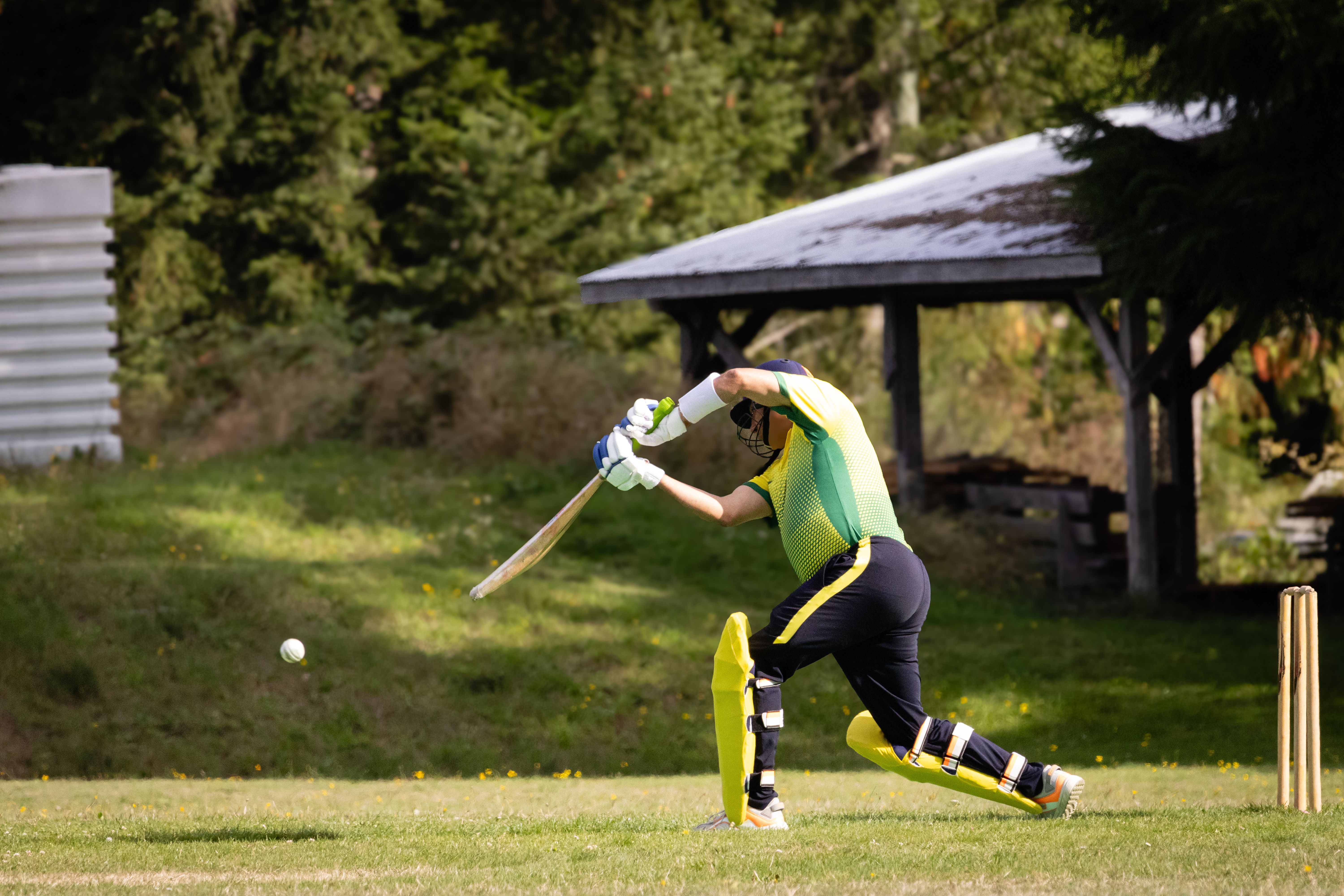
Reserve days are not applied uniformly across a cricket tournament. Their placement follows from what an abandoned match costs at each stage.
An abandoned group match has a defined fallback
If a group fixture cannot be played, the points are shared and the table absorbs the result. The tournament continues without structural damage because the group stage has many matches and a tie-breaker.
Sharing points is unsatisfying but it is survivable. Teams have other fixtures in which to make up ground, and the aggregate table still separates the field.
Because the fallback works, organisers do not need to reserve extra dates for every group match. Doing so would extend the tournament by weeks.
A knockout match has no fallback that anyone accepts
An abandoned semi-final cannot be resolved by sharing anything. Someone has to advance, and the alternatives are progressing the higher-placed team or using a bowl-out style decider.
Advancing on group position means a team is eliminated without playing, which undermines the entire knockout premise. Organisers treat this as a last resort.
The reserve day exists to avoid that outcome. It buys a second attempt at producing a genuine result.
Reserve days are expensive in calendar terms
Each reserve day requires the venue, officials, broadcast crew and both teams to remain available, and it pushes every subsequent fixture back if used. The cost is not just the day itself.
Travel schedules between venues are built around fixed match dates, so a used reserve day can compress the turnaround before the next match to almost nothing.
This is why reserve days are allocated sparingly rather than as a general safety net across the fixture list.
Shortened matches are the first line of defence
Before a reserve day is triggered, a match is reduced in overs so that a result can still be obtained on the scheduled day. Minimum over thresholds define when a result is possible at all.
Those thresholds differ by format, because a shortened limited-overs match remains recognisable while a Test cannot simply be compressed. Formats therefore handle weather differently by design.
Extra time is the quieter mechanism
Most knockout schedules build additional hours into the playing day rather than relying on a whole reserve day. Extending play by ninety minutes recovers most interruptions without another date.
Reserve days are held for the interruptions that extra time cannot absorb. In practice they are used rarely, which is the sign that the layered system is working.
Also by José Mourinho
- Why rotation rates is the Defining Metric in Modern Competition (Insights)Bundesliga
- Why compact defensive blocks is the Defining Metric in Modern Competition (Insights)Bundesliga
- Why overlap runs is the Defining Metric in Modern Competition (Insights)Bundesliga
- Why limb telemetry is the Defining Metric in Modern Competition (Insights)Bundesliga


