La Liga
Why Kick Off Times Are Spread Across A Weekend
Spanish league fixtures are scattered across several days and unusual hours because staggered slots multiply broadcast inventory and reach audiences in distant time zones.
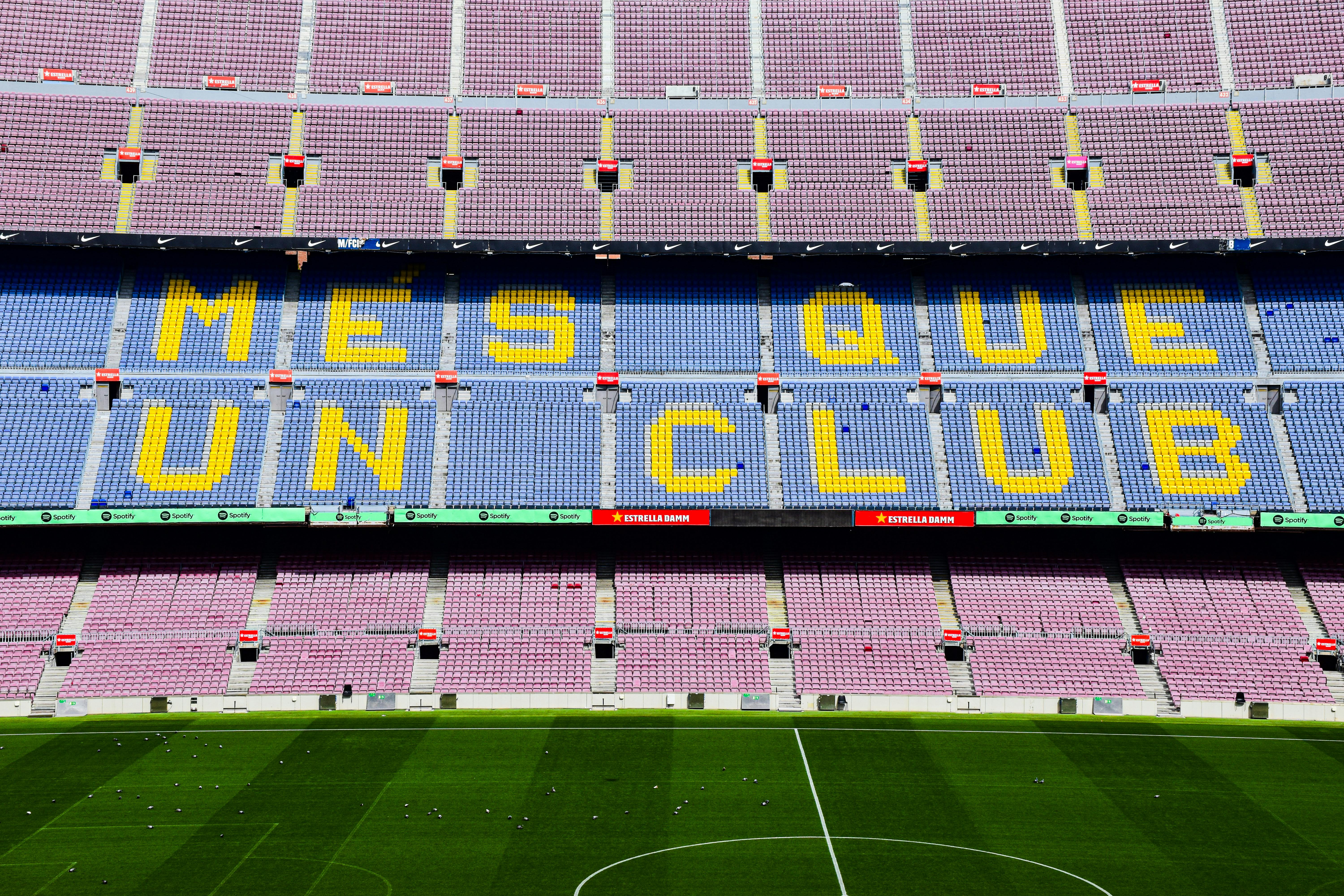
A round of Spanish league fixtures is spread across four days and a wide range of kick-off times. The pattern is a broadcast structure rather than a tradition.
Staggering creates exclusive viewing windows
If every match kicks off simultaneously, a viewer can watch only one and a broadcaster can sell only one slot. Spreading fixtures means each match has an audience to itself.
The total audience across a staggered round is therefore much larger than the audience for a simultaneous one, and the rights are worth correspondingly more.
This is why leagues that centralised their broadcast rights moved quickly to staggered kick-offs. The revenue model depends on matches not competing with each other.
Overseas time zones dictate the earliest slots
Matches placed in early afternoon local time fall in the evening across parts of Asia, which is a large and growing audience for Spanish football.
Those slots are unattractive domestically, particularly in summer heat, but the overseas rights value exceeds the domestic cost. The scheduling reflects where the marginal viewer is.
Late evening slots serve the opposite purpose, reaching audiences in the Americas at a workable hour while remaining acceptable locally.
Player and supporter costs are the counterweight
Playing in high afternoon temperatures affects match intensity and recovery, and clubs raise the issue regularly. Cooling breaks are the mitigation rather than a change of slot.
Late finishes make travel home difficult for away supporters, particularly on long domestic journeys where public transport has stopped. Attendance in those slots is measurably affected.
Leagues respond with rules limiting how often a club can be placed in the least convenient windows, which constrains rather than removes the practice.
Continental fixtures force further asymmetry
Clubs playing midweek in Europe need their league fixture placed to leave adequate recovery, which pushes them to particular days. Their opponents are moved with them.
The result is that the same club can face very different intervals between matches across a season, depending on which competitions it is in and which slots it is assigned.
The final rounds abandon staggering
Once relegation or title outcomes depend on simultaneous results, the league fixes all relevant matches at the same time. Integrity overrides the inventory model for those rounds.
The reversal is instructive, because it shows the staggered schedule is a commercial choice that the league itself sets aside when the competition requires it.
Also by José Mourinho
- Why rotation rates is the Defining Metric in Modern Competition (Insights)Bundesliga
- Why compact defensive blocks is the Defining Metric in Modern Competition (Insights)Bundesliga
- Why overlap runs is the Defining Metric in Modern Competition (Insights)Bundesliga
- Why limb telemetry is the Defining Metric in Modern Competition (Insights)Bundesliga


