Bundesliga
Why Eighteen Clubs Produce A Shorter Season
Germany's top division plays fewer league rounds than its neighbours because it carries two fewer clubs, and that difference frees weeks the rest of the calendar absorbs.
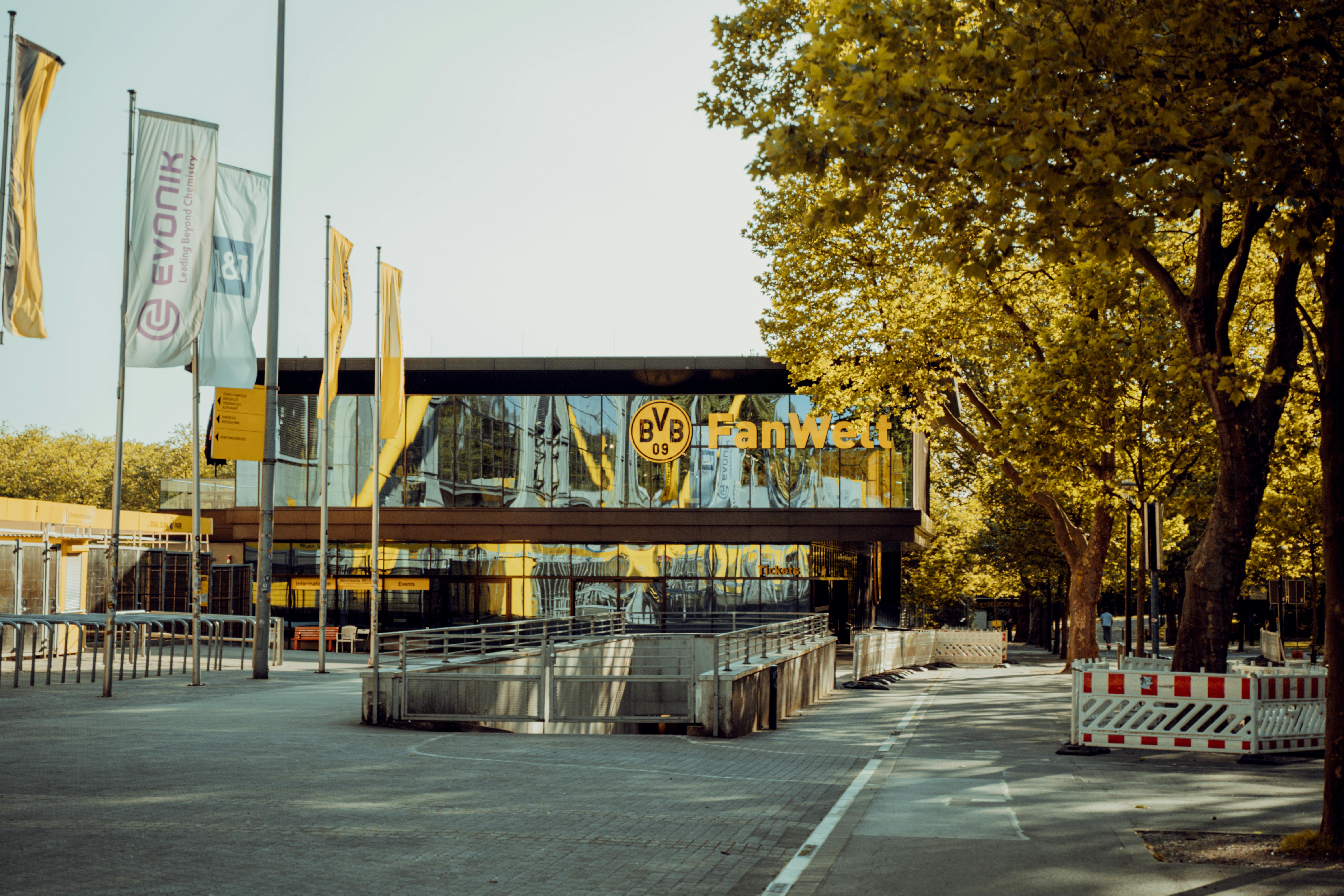
A division of eighteen clubs plays thirty-four rounds rather than thirty-eight. The four missing weekends shape the entire German football calendar.
The arithmetic follows directly from club count
Each club plays the other seventeen twice, producing thirty-four matches and three hundred and six fixtures in total. Two fewer clubs removes four rounds from every club's season without changing any other rule.
Those four rounds are not simply lost time. They become available for a winter break, for cup rounds, and for the reserve dates that rescheduling requires.
A league that wants space in its calendar has essentially one lever, which is division size. Everything else is downstream of that number.
Fewer clubs means fewer matches to sell
Each club stages seventeen home fixtures rather than nineteen, which reduces matchday revenue and cuts the broadcast inventory available across the division.
For clubs with large stadiums and high attendances, two missing home dates are a meaningful sum. The shorter season is paid for directly by the clubs in it.
This is why proposals to expand appear periodically, and why they are resisted by clubs that value the calendar space more than the additional fixtures.
The freed weeks go to the winter break
Germany pauses for several weeks in midwinter, and the shorter league programme is what makes that pause possible without extreme compression elsewhere.
Leagues with thirty-eight rounds attempting the same break must play more midweek fixtures either side of it, which transfers the congestion rather than removing it.
The break also allows a mid-season training period, which coaches use for work that cannot be done during a continuous run of matches.
Cup and continental fixtures fit more easily
With four spare weekends, domestic cup rounds can be placed without displacing league fixtures, and clubs in Europe face fewer weeks containing three matches.
The benefit concentrates on exactly the clubs carrying the heaviest load, which is a structural advantage the division confers on its strongest members.
The second tier mirrors the structure
The division below also holds eighteen clubs, which keeps the promotion and relegation relationship symmetrical and means clubs moving between tiers face an identical season length.
That symmetry simplifies planning for clubs that expect to move between divisions, since budgets and squad sizes are built around the same number of fixtures either way.
Also by José Mourinho
- Why rotation rates is the Defining Metric in Modern Competition (Insights)Bundesliga
- Why compact defensive blocks is the Defining Metric in Modern Competition (Insights)Bundesliga
- Why overlap runs is the Defining Metric in Modern Competition (Insights)Bundesliga
- Why limb telemetry is the Defining Metric in Modern Competition (Insights)Bundesliga


