ICC
Why Cricket Keeps Rebuilding Its World Cup Format
Global cricket tournaments have cycled through round robins, super stages and group formats because each design trades competitive fairness against the number of guaranteed marquee fixtures.
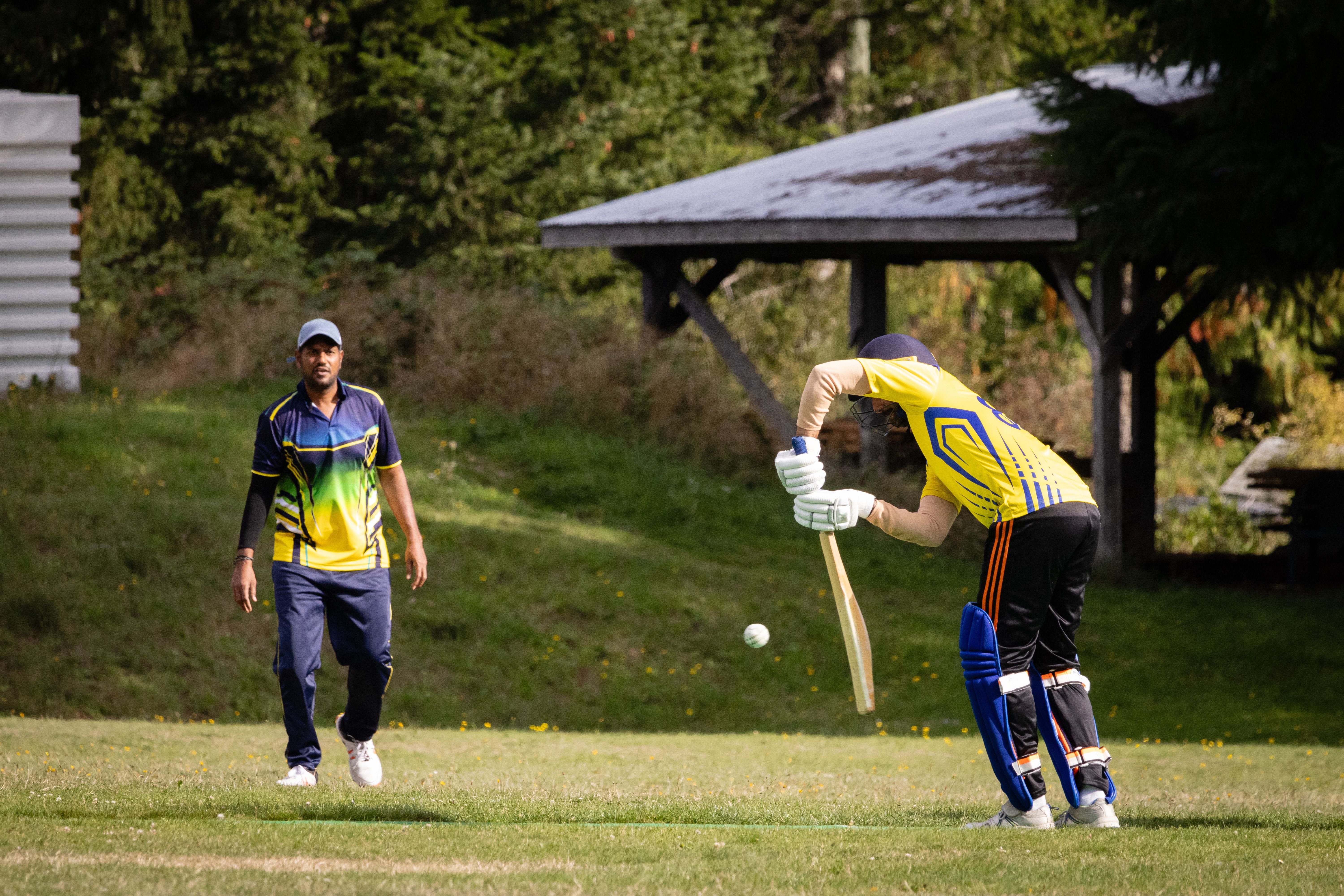
No global cricket tournament has kept the same format for long. The reason is that the sport is trying to satisfy two requirements that pull directly against each other.
A full round robin is the fairest and the least flexible
When every team plays every other team once, the table reflects performance against an identical schedule and no side can complain about the draw. This is the cleanest structure any tournament can adopt.
The cost is fixture count. A ten-team round robin requires forty-five matches before a single knockout game, which stretches the tournament across weeks and produces many fixtures with no bearing on qualification.
It also guarantees only one meeting between the two most commercially valuable teams, and that meeting may fall early. Broadcasters funding the event have little control over when the biggest audience arrives.
Group stages create dead matches instead
Splitting the field into groups cuts the fixture count sharply and lets organisers place the largest rivalries at chosen points. The tournament becomes shorter and more controllable.
But groups mean teams qualify against different opposition, so a side can advance with a softer schedule than one that goes out. Comparisons across groups are never quite like for like.
Groups also produce dead rubbers once qualification is settled, which is exactly the problem the round robin avoids. The format trades one kind of meaningless match for another.
Super stages were an attempt to combine both
Intermediate stages carry results forward from the group phase so that qualified teams meet without replaying matches already contested. The idea is to extend the sample without repeating fixtures.
Carrying points forward is where it becomes difficult to follow, because a team's position depends on results in a phase that has already ended. Spectators lose the thread of the table.
The structure also rewards beating the sides that qualify alongside you and gives nothing for beating those eliminated, which can feel arbitrary from inside a group.
Knockout depth is limited by the risk of early exit
A short knockout stage keeps jeopardy high, but every additional knockout round raises the chance that the strongest team is removed by one poor session. In a sport with high match-to-match variance, that risk is substantial.
Weather compounds it, because a washed-out knockout match must be resolved by reserve days or by a rule that may not reflect play. The deeper the bracket, the more exposure there is.
Field size is the constraint behind every redesign
Expanding the field admits developing nations but adds matches that are usually one-sided, diluting the schedule. Contracting it protects match quality while closing the only route to global exposure.
Every format cycle is essentially a new answer to that question. The structures change because the underlying trade-off has never been resolved, only rebalanced.
Also by José Mourinho
- Why rotation rates is the Defining Metric in Modern Competition (Insights)Bundesliga
- Why compact defensive blocks is the Defining Metric in Modern Competition (Insights)Bundesliga
- Why overlap runs is the Defining Metric in Modern Competition (Insights)Bundesliga
- Why limb telemetry is the Defining Metric in Modern Competition (Insights)Bundesliga


