Bundesliga
How The Relegation Play-Off Between Divisions Works
Germany decides one place in its top flight through a two-legged tie between the third-bottom club and the third-placed club below, which keeps both divisions competitive to the end.
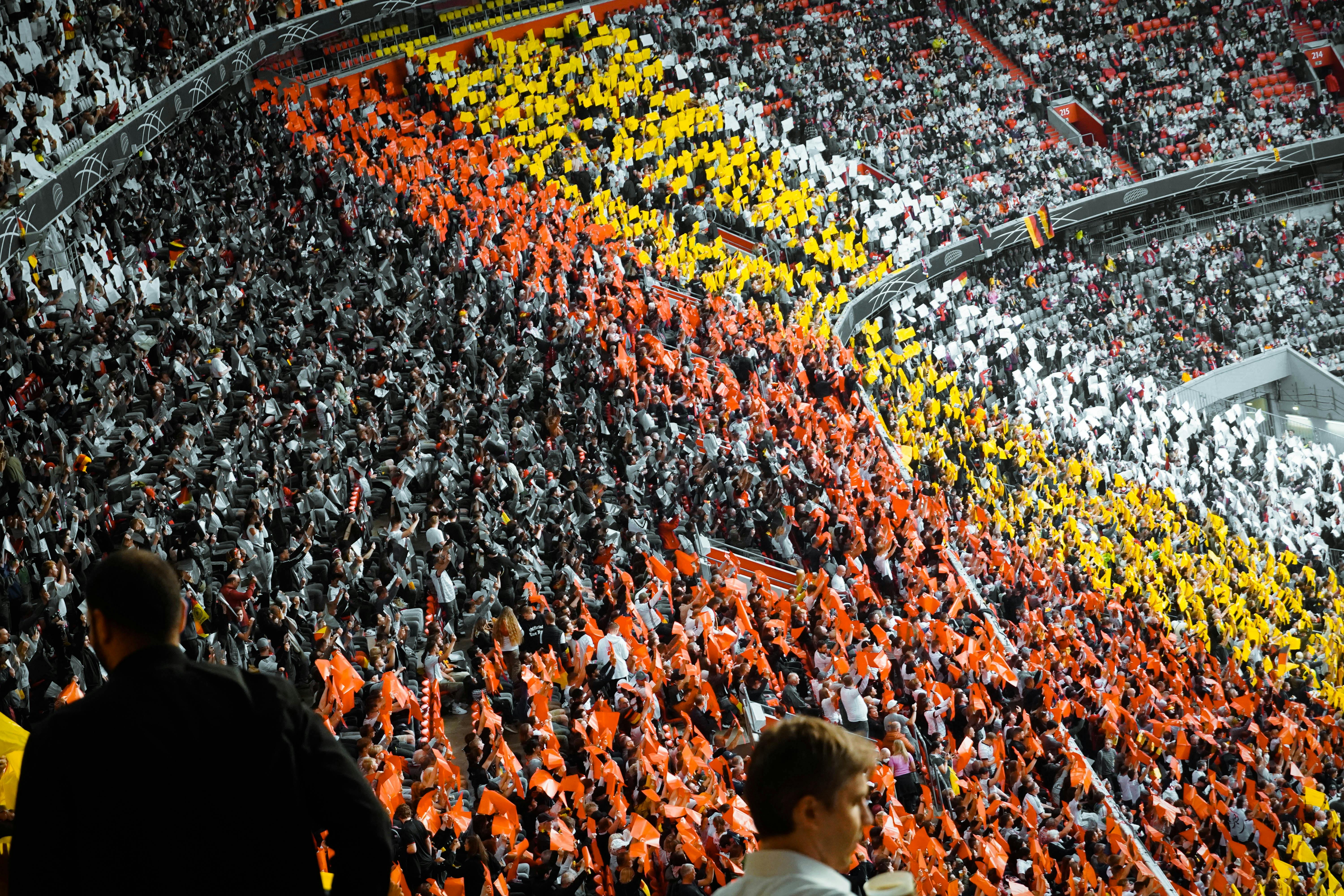
Two clubs are relegated automatically from the German top flight and two promoted automatically from below. The third place in each direction is decided by a match between them.
The tie connects two tables directly
The club finishing third from bottom in the top division plays the club finishing third in the second division, home and away, with the winner taking the top-flight place for the following season.
This is unusual because most pyramids resolve promotion and relegation entirely within each division. Here the two tables meet in a single decisive contest.
The structure means a top-flight club is not relegated by its own table alone, and a second-tier club is not promoted by its own table alone. The final judgement is direct.
It keeps more clubs competitive late
Without the play-off, the third-from-bottom position in the top division would be a safe finish and third in the second tier would be a near miss. Both become live.
Extending jeopardy to additional positions produces meaningful fixtures across more clubs in the closing weeks, which is the same reasoning behind promotion play-offs elsewhere.
The difference is that this version pits the two divisions against each other rather than running a knockout among clubs from one of them.
The two clubs arrive in very different states
The top-flight club has usually endured a poor season and arrives with low confidence, while the second-tier club has just missed automatic promotion and often carries strong recent form.
Preparation differs too, since the seasons may end on different dates, leaving one club with a longer gap before the tie. That interval is a genuine competitive variable.
Squad composition also differs, because contracts and loan arrangements are frequently written around division status and become uncertain precisely at this moment.
The financial asymmetry is severe
For the top-flight club, defeat means a sharp fall in broadcast revenue and often the departure of players. For the challenger, victory transforms a budget.
Because so much rests on two matches, clubs plan for both outcomes simultaneously, which affects recruitment and contract negotiations well before the tie is played.
Two legs bound the randomness
Deciding such a consequential outcome over one match would maximise variance. Two legs give the stronger side more opportunity to assert itself while retaining genuine jeopardy.
The format is a compromise between the fairness of a full season and the drama of a single match, and it is placed at exactly the point where both arguments are strongest.
Also by José Mourinho
- Why rotation rates is the Defining Metric in Modern Competition (Insights)Bundesliga
- Why compact defensive blocks is the Defining Metric in Modern Competition (Insights)Bundesliga
- Why overlap runs is the Defining Metric in Modern Competition (Insights)Bundesliga
- Why limb telemetry is the Defining Metric in Modern Competition (Insights)Bundesliga


