Bundesliga
How The German Cup Draw Protects Lower League Clubs
Germany's cup guarantees smaller clubs a home tie against a larger opponent in the early rounds, converting the draw into a redistribution mechanism as well as a bracket.
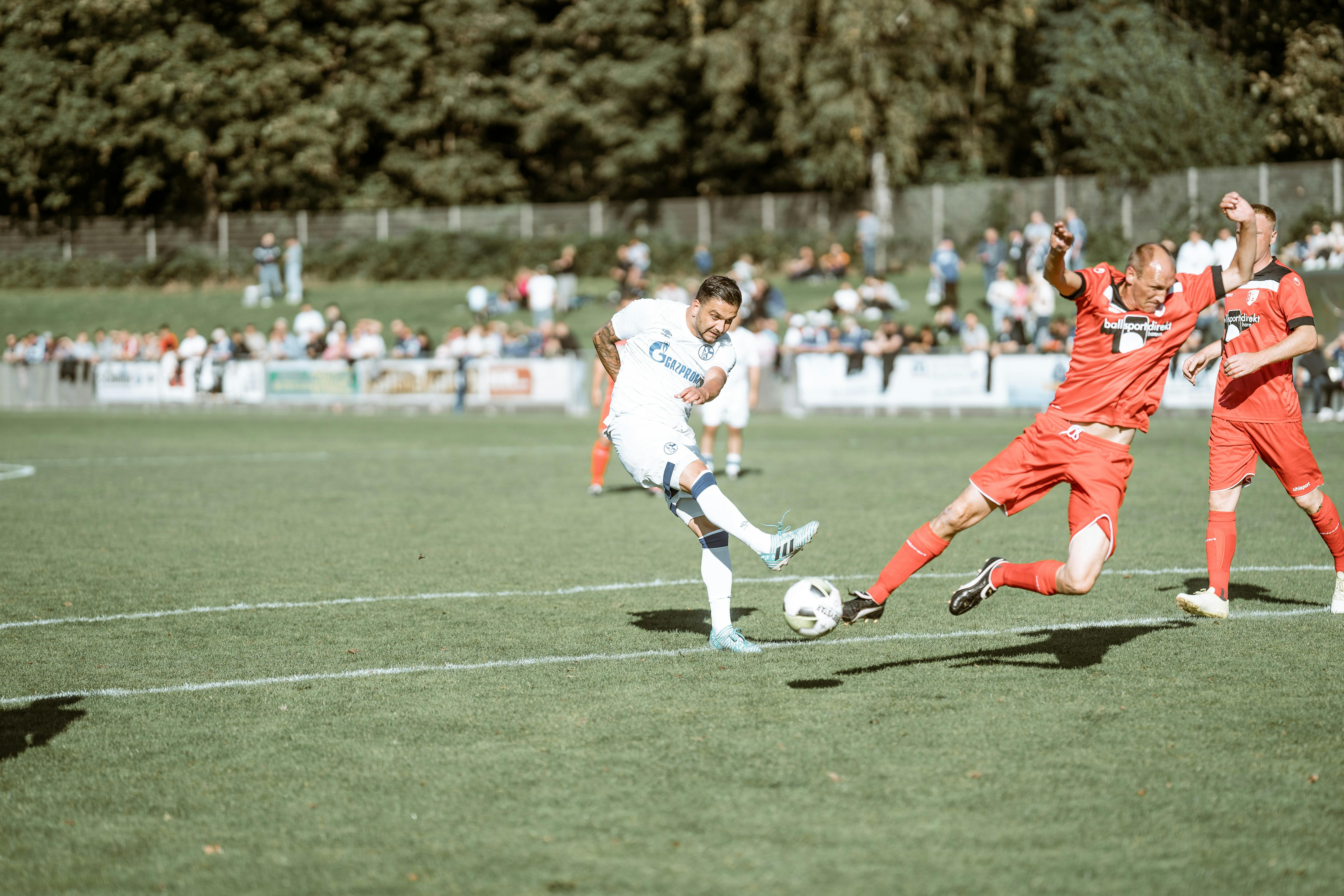
A national cup can be drawn purely at random or structured to favour smaller clubs. The German competition does the latter deliberately.
Regional qualification fills the lower half of the bracket
Places are reserved for clubs that win regional cup competitions, so the field includes amateur and semi-professional sides that would never reach a national bracket on league position alone.
This makes the early rounds genuinely cross-tier rather than a contest between professional clubs with a few exceptions. Breadth is designed in from the start.
Because regional places are allocated by area, the geographic spread of participants is guaranteed rather than left to whichever regions happen to have strong clubs.
The draw is split into pots by division
In the first rounds, clubs from lower tiers are drawn against clubs from higher tiers rather than against each other, so the small clubs get the large opponents the competition is built around.
This is the opposite of a neutral draw, which would frequently pair small clubs together and waste the fixtures that generate the most interest and revenue.
The pot system therefore serves both the sporting story and the financial one, which is why it survives despite being visibly non-random.
Home advantage goes to the smaller club
The lower-tier club hosts, which matters competitively because a tight ground with a partisan crowd narrows the gap, and matters financially because the gate stays with the smaller club.
A single home tie against a major opponent can fund infrastructure that a season of league football would not. The cup functions as a redistribution channel.
Single-leg ties reinforce the effect, since one match maximises the variance that gives an underdog a chance.
Top clubs cannot decline the fixture
Because entry is compulsory for league clubs and the venue rule is fixed, a major club must travel to a small ground early in the season with a squad that may still be assembling.
That timing is part of the design. The fixture falls when the gap in preparation is narrowest rather than in midwinter when it is widest.
The reward keeps the strong clubs engaged
Winning the cup carries a continental place, which ensures top clubs field serious teams rather than treating early rounds as an inconvenience.
Without that incentive the protections for small clubs would produce weakened opposition, and the fixtures the structure exists to create would lose their value.
Also by José Mourinho
- Why rotation rates is the Defining Metric in Modern Competition (Insights)Bundesliga
- Why compact defensive blocks is the Defining Metric in Modern Competition (Insights)Bundesliga
- Why overlap runs is the Defining Metric in Modern Competition (Insights)Bundesliga
- Why limb telemetry is the Defining Metric in Modern Competition (Insights)Bundesliga


