Premier League
How Promotion Ties A League To Its Pyramid
Open promotion and relegation links every division into a single competitive structure, which changes what a mid-table finish is worth and how clubs below the top tier are financed.
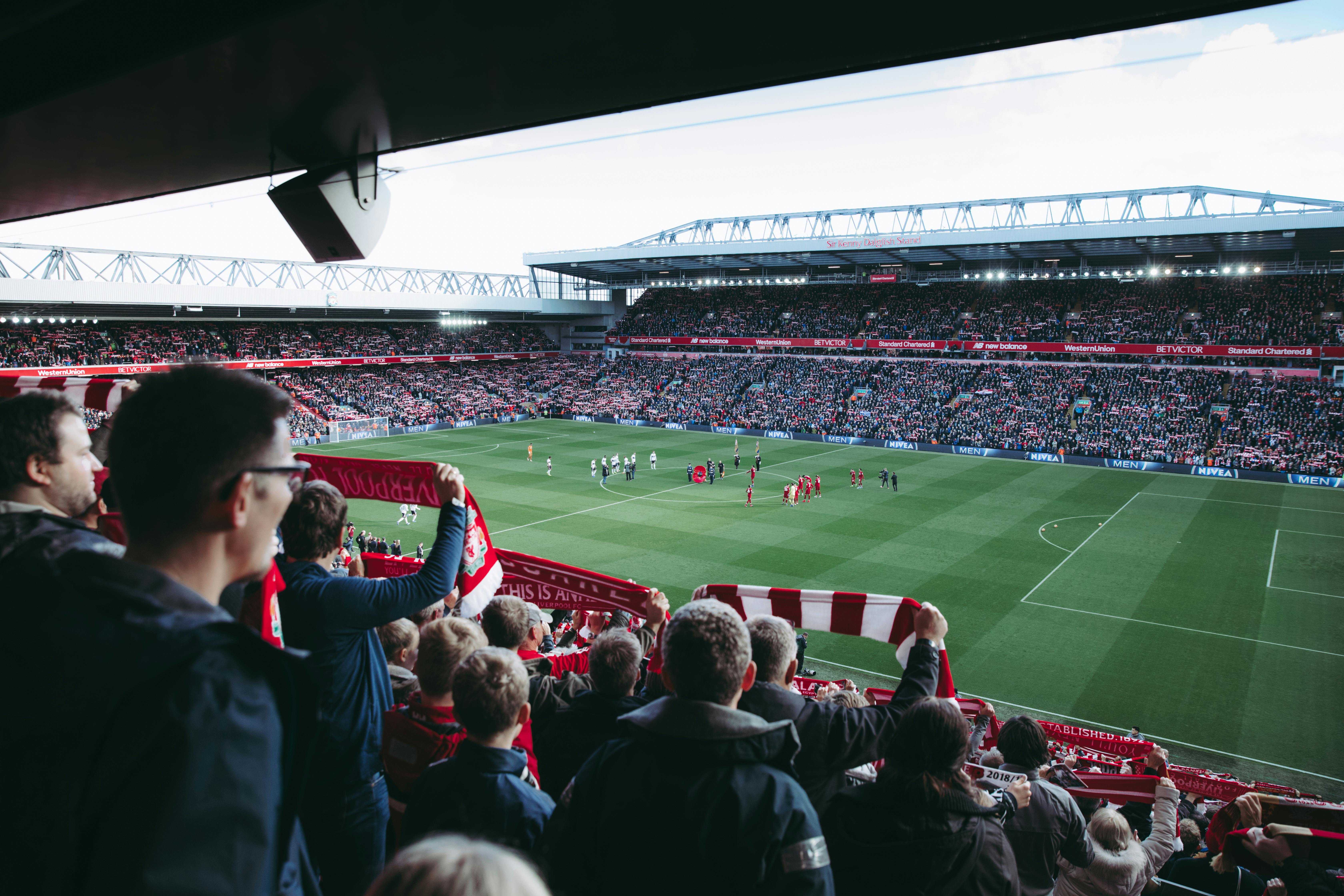
An open pyramid means a league does not choose its members. The division below does, and that single fact shapes almost everything about how clubs behave.
Membership is earned annually rather than granted
Clubs enter the top division by finishing high enough in the tier below, and leave by finishing low enough in their own. No committee approves either movement.
Because entry cannot be bought or negotiated, the division's composition changes every season. A club's presence is contingent on results rather than on a franchise agreement.
This makes long-term planning harder than in a closed league, since the revenue attached to top-tier membership can disappear on a single afternoon.
Every table position carries value
In a closed league, mid-table late in the season is competitively empty. In an open pyramid it sits between the pull of continental qualification above and relegation below.
The result is that matches between clubs with no title prospects still have consequences. The structure manufactures jeopardy without needing a play-off to create it.
It also removes the incentive to lose deliberately for draft position, because there is no reward at the bottom of the table. Finishing last is purely punitive.
Relegation drives the financial architecture
The gap between top-tier and second-tier revenue is large enough that relegation can threaten a club's solvency. Contracts, wages and borrowing are all structured around that risk.
Parachute arrangements exist to soften the fall, but they create their own distortion by giving recently relegated clubs a spending advantage in the division below.
The second tier therefore contains two different kinds of club competing under one table, which affects who realistically wins promotion.
Play-offs extend the promotion contest
Awarding the final promotion place through a short knockout between clubs finishing below the automatic positions keeps more of the division competitive into the final weeks.
It is deliberately unfair in a narrow sense, since a club finishing well clear of another can lose to it in a single match. The trade is more meaningful fixtures across more clubs.
The pyramid extends far below professional level
The same promotion mechanism continues down through semi-professional and amateur divisions, connecting the top of the game to local football by an unbroken chain.
That continuity is what makes cup competitions between distant tiers structurally coherent. The clubs are not from different systems; they are at different heights in one.
Also by José Mourinho
- Why rotation rates is the Defining Metric in Modern Competition (Insights)Bundesliga
- Why compact defensive blocks is the Defining Metric in Modern Competition (Insights)Bundesliga
- Why overlap runs is the Defining Metric in Modern Competition (Insights)Bundesliga
- Why limb telemetry is the Defining Metric in Modern Competition (Insights)Bundesliga


